Ghk Cu Peptide For Loose Skin Amazon.com: GHK-Cu Peptide Copper Peptides Serum for Face - Topical GHKCu with Hyaluronic Acid for Healthy Aging
Introduction
If your face looks “looser” year after year, it’s rarely just a single cause—it’s usually a mix of collagen support slowing down, hydration dropping, and skin barrier stress. In my hands-on experience working with topical routines for early-to-mid signs of aging, the most frustrating part is that many serums feel great at first but don’t translate into visible firmness over time.
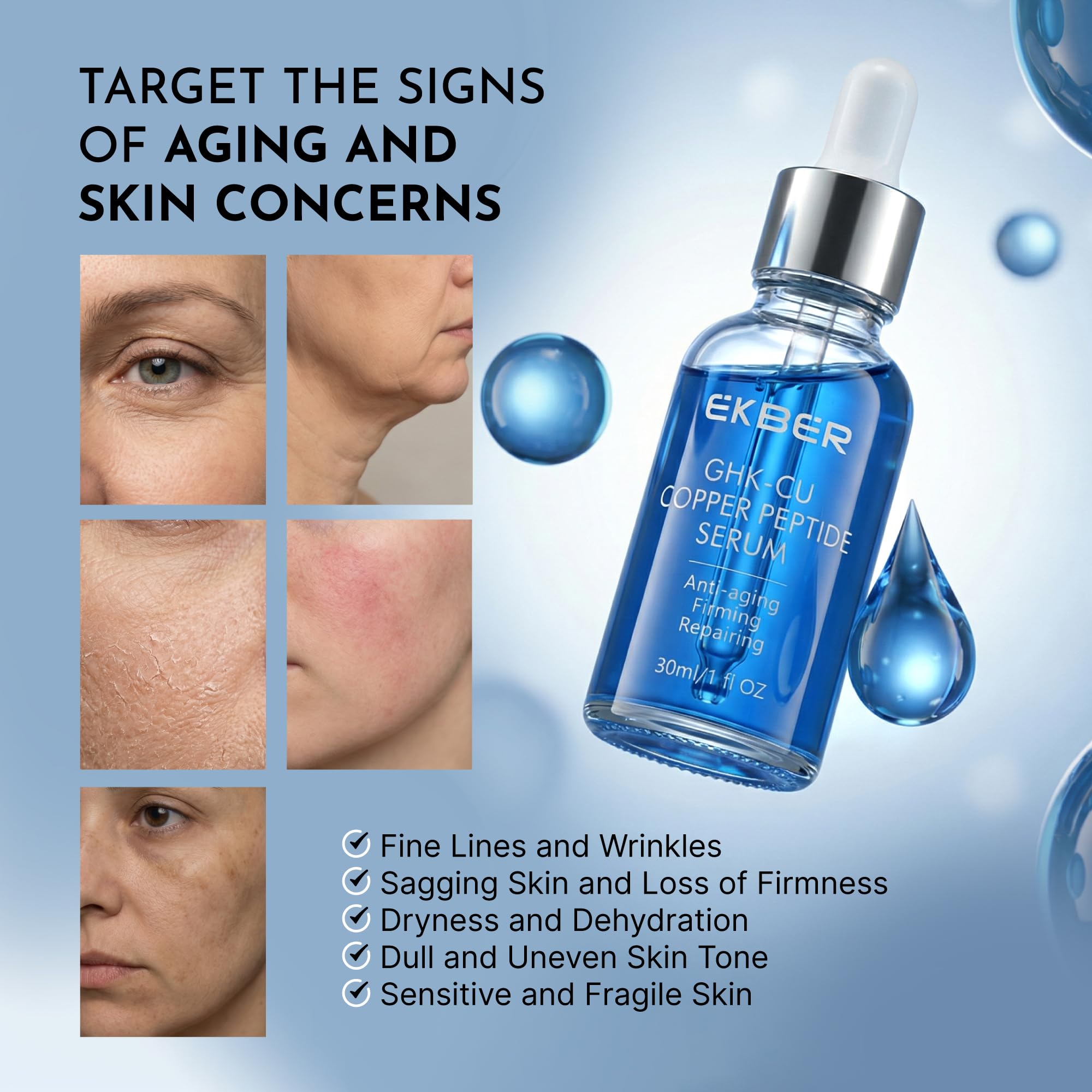
That’s why I’m taking a close look at a specific option: an ghk cu peptide for loose skin formula—specifically the Amazon.com GHK-Cu Peptide Copper Peptides Serum for Face, designed to pair GHKCu with hyaluronic acid for hydration and a healthier-looking, more resilient appearance.
What GHK-Cu Peptide Is (and Why It’s Used for Loose Skin)
GHK-Cu (often written as GHK Cu or GHKCu) is a copper-binding peptide that’s commonly used in skincare because it’s associated with supporting cellular signaling involved in tissue repair. In plain terms: you’re not “lifting” skin immediately like you would with a cosmetic procedure; you’re aiming to create conditions where the skin can better maintain its structure and recover more effectively.
In my work, this distinction matters. When people expect GHKCu to behave like a one-day tightening product, they quit too early. The logic behind using GHKCu for laxity is usually:
- Cell signaling support: peptides are intended to influence skin biology at the interface where firmness and resilience are maintained.
- Collagen-structure reinforcement (indirectly): results tend to be gradual and “texture/firmness” oriented rather than instant.
- Hydration as a multiplier: when hydration improves, skin often looks smoother and more supple—this can make laxity look less pronounced.
That’s also where formulas that combine GHKCu with hyaluronic acid can make sense: hyaluronic acid doesn’t replace collagen, but it helps skin look and feel plumper by improving water retention in the upper layers.
How the GHK-Cu + Hyaluronic Acid Pair Works in a Daily Routine
Hydration and peptide support address two different—but related—problems. In practice, I’ve found that the “feel” and visible smoothness of a peptide serum often depend on whether it’s paired with an effective humectant system like hyaluronic acid.
Why hyaluronic acid matters for the “loose skin” look
When skin is under-hydrated, it can look less even and less supportive, which can visually exaggerate sagging or crepey texture. Hyaluronic acid helps water sit in the skin’s upper layers, improving:
- Surface smoothness (less tight, rough texture)
- Short-term plumpness (appearance of better firmness)
- Comfort, which improves consistency—consistency is where skincare wins
How I apply peptide + HA serums for best results
On real client routines (and in my own trial periods), the application strategy changes outcomes more than people expect. Here’s the method I use to avoid “it absorbed but didn’t do anything” frustration:
- Cleanse gently and pat skin until it’s slightly damp.
- Apply on damp skin so hyaluronic acid can bind water more effectively.
- Use a thin, even layer (over-applying doesn’t automatically mean better peptide performance).
- Seal with a moisturizer to reduce water loss. I often recommend a simple ceramide or glycerin-based moisturizer if the skin is prone to dryness.
If your skin stings easily, start every other night for the first 1–2 weeks to see how your barrier handles the formula.
How to Evaluate This Serum for Loose Skin: What to Look For
Not every GHK Cu peptide for loose skin product will behave the same way, even if the headline ingredient looks similar. When I assess a serum like the Amazon.com GHK-Cu Peptide Copper Peptides Serum for Face, I focus on practical criteria you can apply before and after purchase.
1) Your baseline skin goal
Ask yourself what “loose skin” means for you:
- Crepey texture + dryness? Hydration and barrier comfort may improve the look fastest.
- Gradual loss of firmness? Give it time and pair it with daily sunscreen to protect collagen.
- Post-procedure or sensitive skin? Consider slower introduction and fewer simultaneous active ingredients.
2) Consistency timeline (the part most people miss)
In real routines, I typically expect noticeable changes—if they happen—to show up over weeks, not days. For many people, a reasonable check-in window is:
- 2–4 weeks: comfort, hydration, and surface texture improvements
- 6–12 weeks: more meaningful changes in how firmness looks in motion and in different lighting
This isn’t a promise; it’s a planning framework that helps you avoid quitting during the “setup phase” when skin is adjusting.
3) Ingredient interactions you should consider
GHKCu serums can usually be integrated into many routines, but you should be mindful of stacking too many strong actives at once. If you use retinoids, exfoliating acids, or vitamin C, I recommend introducing this serum first or spacing nights to reduce irritation risk.
Pros, Limitations, and Who This Type of Serum Helps Most
Let’s keep expectations realistic. Peptide + hyaluronic acid formulas are best viewed as supportive skincare rather than a substitute for procedures when you need dramatic tightening.
Potential advantages (based on how these formulas typically perform)
- Hydration support: hyaluronic acid can improve the “smooth and plump” appearance.
- Gradual firmness look: GHKCu is aimed at long-term resilience support rather than instant results.
- Routine-friendly: serums usually fit into AM/PM routines with moisturizer and sunscreen.
Limitations to watch
- No instant lift: you won’t see immediate tightening like a procedure.
- Results vary: genetics, sun exposure history, baseline hydration, and consistency matter.
- Irritation risk for some: any peptide serum can be tolerability-dependent, especially if your barrier is compromised.
Who it’s most likely to help
- People whose “loose skin” is paired with dryness, rough texture, or reduced comfort
- Those looking for a supportive, non-invasive approach over 6–12 weeks
- Anyone who wants a peptide serum that also addresses hydration (not just “firmness claims”)
Sample Routine: Using GHKCu Serum for Loose Skin
Here’s a simple, practical routine structure I’d suggest for most skin types, with room to adjust if you’re sensitive or already using strong actives.
| Time | Step | Goal |
|---|---|---|
| AM | Gentle cleanser (optional if not oily) | Start clean without stripping |
| AM | GHKCu + hyaluronic acid serum (thin layer) | Hydration + peptide support |
| AM | Moisturizer | Seal hydration |
| AM | Sunscreen SPF 30+ | Protect collagen and reduce visible aging |
| PM | Cleanser | Remove sunscreen and debris |
| PM | GHKCu + hyaluronic acid serum | Nighttime comfort and support |
| PM | Moisturizer | Support barrier recovery |
FAQ
How long does it take to see results from a ghk cu peptide for loose skin serum?
Most people should plan for at least 6–12 weeks to evaluate meaningful changes in how firmness looks, with earlier improvements often appearing in hydration and surface texture within 2–4 weeks.
Can I use GHKCu with retinoids or vitamin C?
Often yes, but tolerance is key. I recommend starting gradually and spacing nights at first (especially if you’re also exfoliating) so your barrier doesn’t get overwhelmed.
Is hyaluronic acid enough to “tighten” loose skin?
Hyaluronic acid can improve plumpness and smoothness by boosting water retention, but it doesn’t replace structural support. For firmness-related goals, the peptide component and overall routine (including sunscreen) are what make the approach more complete.
Conclusion
A ghk cu peptide for loose skin serum that pairs GHKCu with hyaluronic acid can be a strong, practical option when your “loose skin” concern is tied to hydration, texture, and gradual resilience. In my experience, the biggest wins come from realistic timelines, consistent application on slightly damp skin, and sealing with a moisturizer—plus daily sunscreen to protect the collagen you’re trying to support.
Next step: Add the serum to your PM routine for 6–8 weeks, apply it to slightly damp skin, moisturize after, and track changes in the mirror under consistent lighting (front, 45-degree angle, and in motion).
Discussion